

After more than a decade working with marine-grade coated fabrics, I can tell you one thing with absolute confidence—few materials stand up to harsh marine environments as reliably as PVC fabric. From blistering UV radiation to salt-laden waves and constant moisture exposure, oceans are unforgiving. Yet, high-quality PVC fabric continues to prove itself across boats, inflatables, marine shelters, seats, safety equipment, and more.
In this article, I’ll walk you through why PVC fabric is widely used in marine applications, highlighting not just textbook properties but practical insights gained from real-world projects.
This guide is designed for beginners, but structured with the technical accuracy expected from a listed company's professional publication.
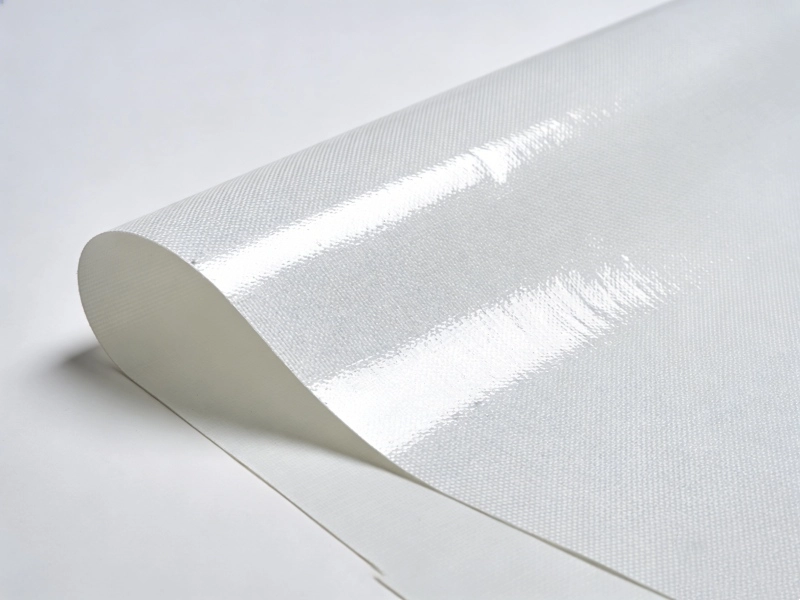
PVC fabric—short for polyvinyl chloride coated fabric—is a composite material typically made by applying a PVC coating onto a polyester or nylon base cloth.
This structure creates a fabric that is:
• Waterproof
• UV-resistant
• Tear-resistant
• Chemically stable
• Heat-weldable
For marine use, PVC fabric often includes UV stabilizers, anti-fungal additives, and salt-corrosion resistant formulations, which significantly extend its lifespan in harsh sea environments.
Why PVC Fabric Excels in Marine Applications
1. Outstanding Waterproof Performance
I’ve tested dozens of materials on boats over the years, and PVC remains one of the few that stays completely waterproof even after long-term exposure.
Unlike conventional textiles that eventually wick moisture, PVC-coated fabric forms an impermeable barrier that does not absorb water.
This makes it ideal for:
• Boat covers
• Marine tarpaulins
• RIB (Rigid Inflatable Boat) collars
• Waterproof gear bags
2. Strong UV Resistance
Sunlight over open water is far more intense than on land due to reflection from the sea surface.
Marine-grade PVC fabrics use UV-stabilized PVC resins that significantly slow down aging, yellowing, and brittleness even after years of exposure.
3. Salt and Chemical Resistance
Salt accelerates material degradation, but PVC fabric is inherently resistant to saltwater corrosion.
It also holds up well against:
• Marine oils
• Fuel splash
• Cleaning detergents
This chemical inertness is one of the reasons it’s used for life rafts and marine safety equipment.
4. High Durability and Tear Resistance
With a reinforced polyester base and flexible PVC coating, the fabric offers:
• High tensile strength
• Excellent tear resistance
• Abrasion resistance
This durability is crucial for high-stress marine applications like inflatable boats, dock fenders, and hull protection.
5. Easy Welding and Fabrication
Marine PVC fabric can be:
• Heat-welded
• RF welded
• High-frequency welded
This ensures seam integrity far superior to stitching, which is why high-performance inflatables almost always use PVC heat-welded seams.
Common Marine Applications of PVC Fabric
Here are the applications where I’ve seen PVC fabric perform best:
1. Boat and Yacht Covers
PVC fabric’s waterproof and UV-resistant properties make it perfect for full boat covers, bimini tops, console covers, and protective enclosures.
2. Inflatable Boats and RIBs
PVC is the primary material for:
• Inflatable dinghies
• RIB tubes
• Rescue craft tubes
It delivers buoyancy durability without adding excessive weight.
3. Marine Seats and Upholstery
PVC vinyl-coated fabrics resist:
• Marine mildew
• UV degradation
• Salty moisture
That’s why boat cushions and seating often rely on them.
4. Marine Tarpaulins and Sunshades
PVC tarpaulin provides long-term performance for:
• Dock shelters
• Sun canopies
• On-deck equipment covers
5. Waterproof Marine Bags and Gear
Dry bags, fishing gear bags, and diving equipment bags use PVC because it guarantees complete water isolation.
How to Choose the Right Marine-Grade PVC Fabric
From my real-world experience, here’s what you should always check before buying:
1. Fabric Weight & Thickness
Heavier fabrics (e.g., 650–1200 gsm) are best for inflatables and covers requiring toughness.
Lighter fabrics (300–600 gsm) suit canopies and protective covers.
2. Type of Base Cloth
Polyester is standard for strength; nylon for flexibility.
3. Coating Quality
Look for:
• High-density PVC coatings
• Double-sided coating for maximum waterproofing
• UV stabilizers and antifungal agents
4. Intended Marine Use
Different applications demand different specs:
• Inflatable tubes: high tensile/tear resistance
• Canopies: UV resistance + flexibility
• Tarps: waterproof + abrasion resistance
5. Seam Compatibility
Ensure the PVC grade supports heat or HF welding for best seam durability.
Maintenance Tips to Extend Fabric Lifespan
A little care goes a long way. For marine PVC fabrics, I recommend:
✔ Rinse with fresh water after every trip
Salt accelerates aging; simple rinsing prevents crystal buildup.
✔ Use mild soap—not harsh chemicals
Harsh cleaners attack the PVC coating.
✔ Store in a shaded, dry place
While UV-resistant, anything exposed to sunlight for years straight will eventually degrade.
✔ Avoid folding when wet
Can cause mildew growth (even though marine PVC resists it).
✔ Inspect seams regularly
Especially welded seams on inflatables.
Regular maintenance easily adds 2–3 years to the product’s lifespan.
Conclusion
PVC fabric has earned its position as a cornerstone material in marine environments thanks to its waterproofing, UV resistance, salt resistance, durability, and weldability. After many years of working with various marine textiles, I still recommend PVC fabric as one of the most reliable and cost-effective options for both recreational and industrial marine use.


